A light can have the right finish and dimensions yet be the wrong electrical version for its destination. Before paying for an overseas order, confirm the exact model, its power requirements and the documents needed for the installation.
The most useful starting point is a photograph of the fixture label and, where relevant, the LED driver label. Match those details to the written specification for the version being supplied. A product family's general description is not enough.
1. Confirm input voltage and frequency
Ask for the complete input rating, including AC or DC, voltage range and frequency. For example, a label reading “100–240V AC, 50/60Hz” describes a different input range from one marked only “220–240V AC.” Neither label should be assumed from a plug photograph.
A plug adaptor changes the physical connection; it does not convert voltage or frequency. For a permanently installed fitting, have a qualified local installer confirm suitability before purchase rather than planning an improvised conversion after delivery.
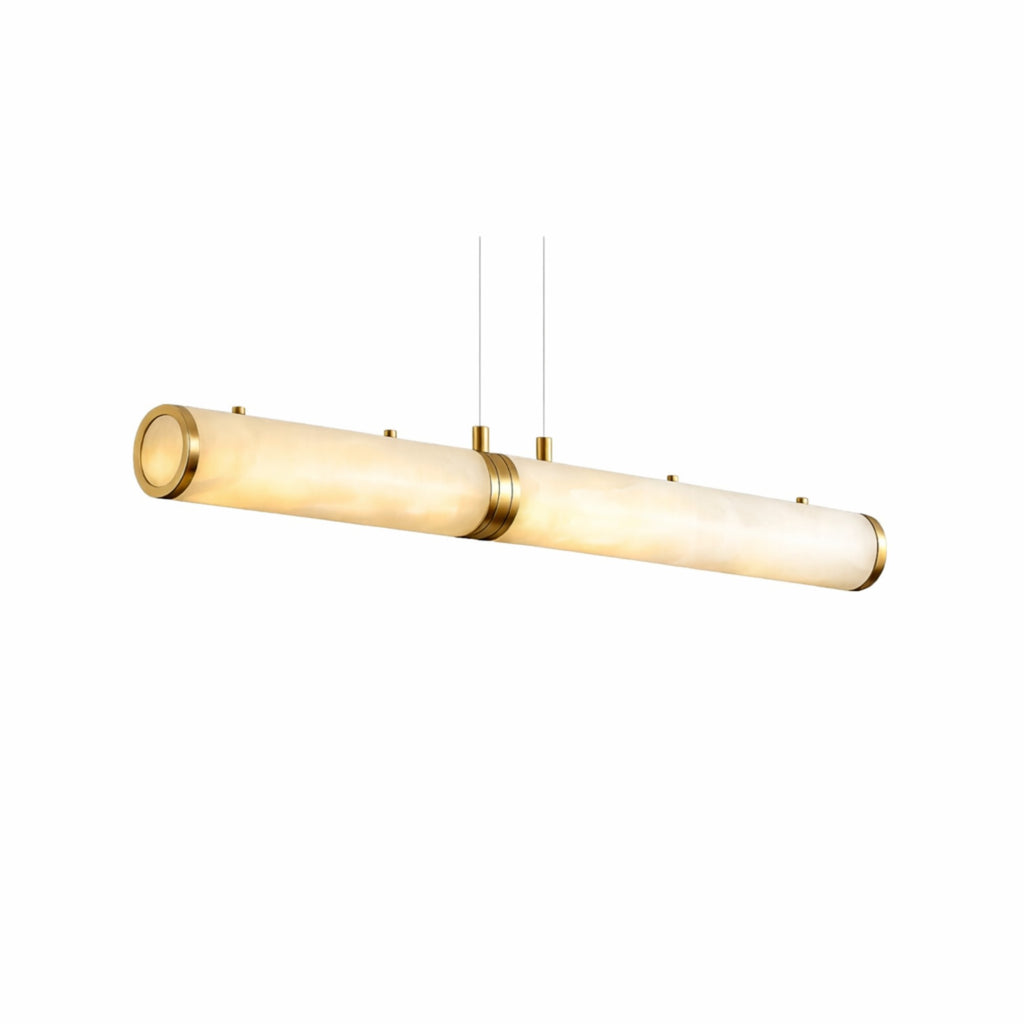
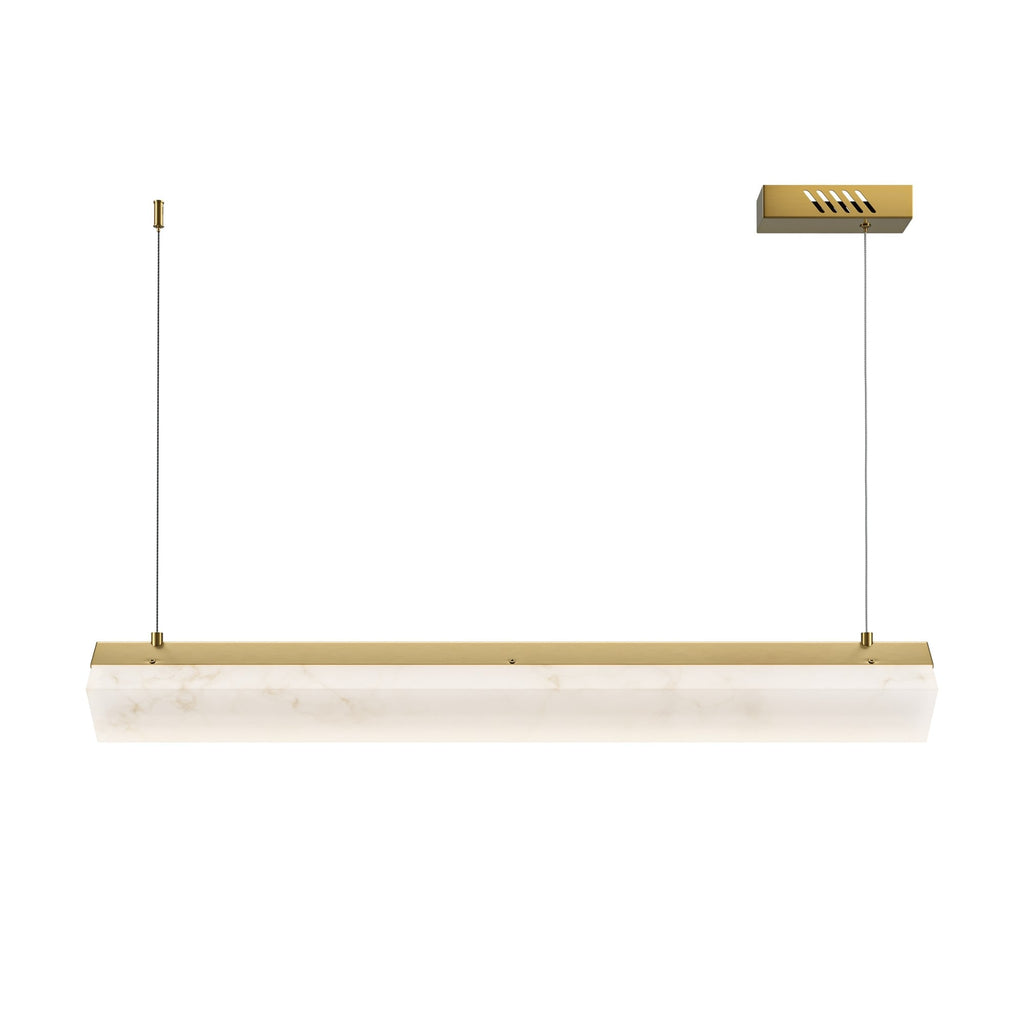
The Petra linear pendant lists 120V, 35W and 3000K. Confirm the frequency, driver and dimmer requirements for your installation before ordering.
2. Identify the light source and replacement requirements
Determine whether the fixture uses replaceable bulbs or an integrated LED module. With replaceable bulbs, confirm the exact base, permitted lamp type, maximum wattage and whether bulbs are included. With integrated LEDs, ask how the module and driver can be serviced and whether matching replacements are available.
The Emmy three-light ceiling fitting lists three E14 sockets, with 10W maximum per lamp and 30W total, and says bulbs are not included. Its final colour temperature and light output therefore depend on the compatible bulbs fitted. A socket designation by itself does not confirm the fixture's supply-voltage rating.
3. Match the dimmer to the supplied driver or bulbs
“LED” does not automatically mean dimmable. “Dimmable” does not mean compatible with every dimmer. Ask which control method the supplied version supports and obtain confirmation for your exact dimmer model.
Terms such as phase-cut, 0–10V and DALI describe different control arrangements. The control, driver and wiring must work together. For bulb-based fixtures, the bulbs also need to be compatible. Lutron's compatibility resources illustrate why matching specific products matters.
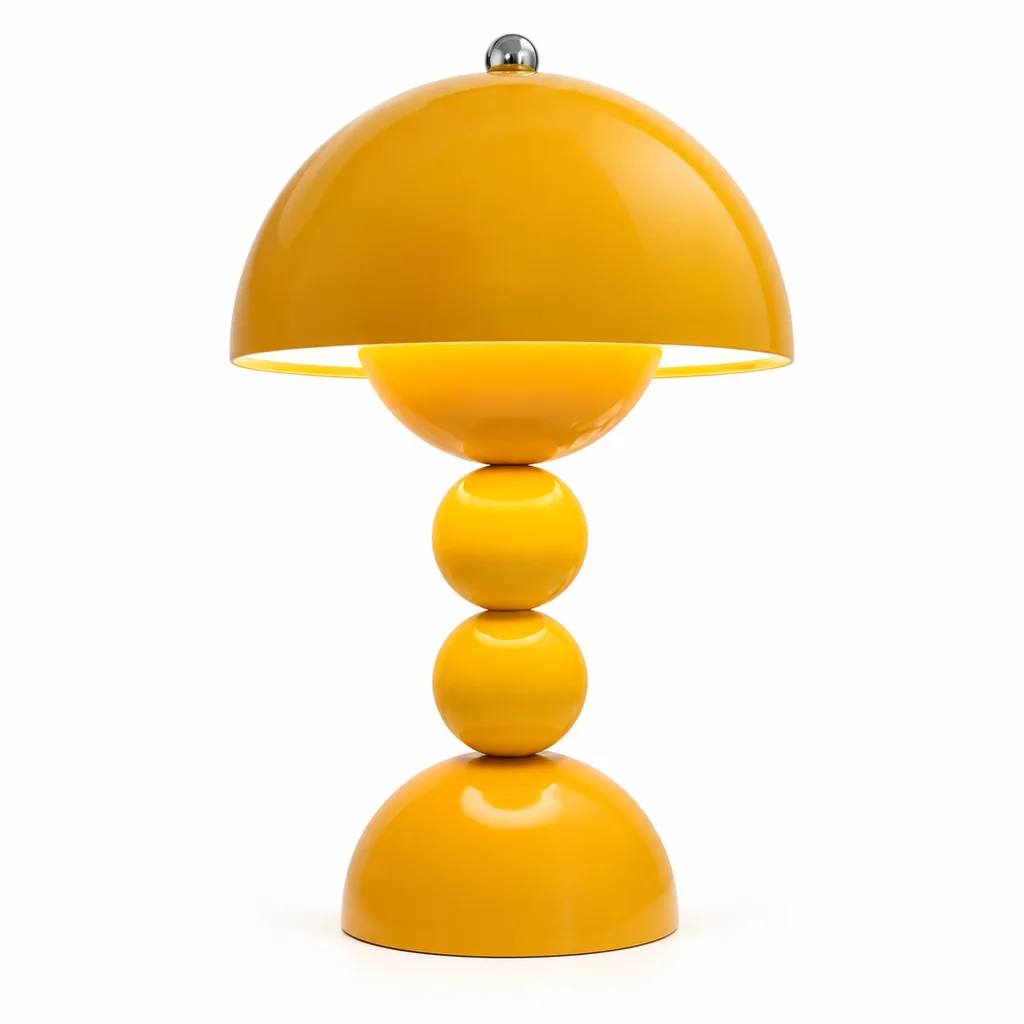
A touch switch is a separate feature. The KT-3086 table lamp lists 5W LED, touch on/off and three light colours. These details do not establish wall-dimmer compatibility, the exact colour-temperature values or the input-voltage rating. Request those details separately.
4. Separate brightness, power and colour
| Parameter | What it tells you | What to request |
|---|
| Watts, W | Electrical power consumption | Total input power for the supplied configuration |
| Lumens, lm | Light output | Fixture output, distinguishing it from the bare LED module output |
| Colour temperature, K | The warm-to-cool appearance of white light | Exact fixed value or selectable range |
| CRI | A measure of colour rendering | Stated value and supporting product information where colour quality matters |
Do not select a light's brightness by wattage alone. The shade and optical design affect how much light reaches the room. If a listing says “three-colour,” ask for the three Kelvin values and how they are selected rather than guessing from the name.
5. Confirm suitability for the installation location
Tell the supplier whether the fitting is for a dry dining room, a bathroom, a covered exterior or an exposed outdoor location. Request the relevant IP rating or dry/damp/wet-location suitability, as applicable to the destination and product.
An IP code describes enclosure protection; it is not a complete statement of electrical safety or a substitute for local installation requirements. Ask the installer to assess the exact location, including any bathroom zones, moisture exposure and earthing requirements. A metal fixture's appearance does not establish its electrical protection class.
6. Ask for documents tied to the exact model
Request the rating label, installation instructions and any certification or conformity documentation required for the destination. Check that the model and supplied electrical version match the documents.
UL explains that recognition of a component is not certification of a complete standalone product. A certified LED driver therefore does not, by itself, establish certification of the whole luminaire. For products subject to EU CE rules, ask for the relevant EU Declaration of Conformity rather than treating a logo photograph as the complete evidence.
These are different systems with different scopes. Have the local installer or project professional confirm which requirements apply. No certification should be inferred merely because international shipping is offered.
Send this information with your enquiry
Provide the product link, quantity, destination country, installation location, circuit voltage and frequency, plus the dimmer model if one is planned. Ask for written confirmation of the electrical version, plug or hardwired connection, light source, controls and supporting documents before the order is finalised.
Frequently asked questions
Will changing the plug make a light compatible?
Not necessarily. Voltage, frequency, earthing, controls and product suitability still need checking.
Does worldwide delivery mean worldwide electrical compatibility?
No. Delivery coverage and electrical suitability are separate questions.
Can every integrated LED fixture be dimmed?
No. Confirm the driver and control method of the specific version supplied.
Contact SPACE361 with your destination and product links to request the relevant specifications before ordering.
References