
Alabaster lighting guide
What Bulb Does an Alabaster Light Need? E14, G9 and Integrated LED Explained
Most alabaster lights look best with a warm-white LED at 2700–3000K. SPACE361 fittings use three light-source types: integrated LED (nothing to change), E14 bulbs (the Marmo takes up to 40W, with 4–6W LED recommended) and G9 capsule bulbs (the Lyvane). Always match the bulb base, voltage and dimmer.
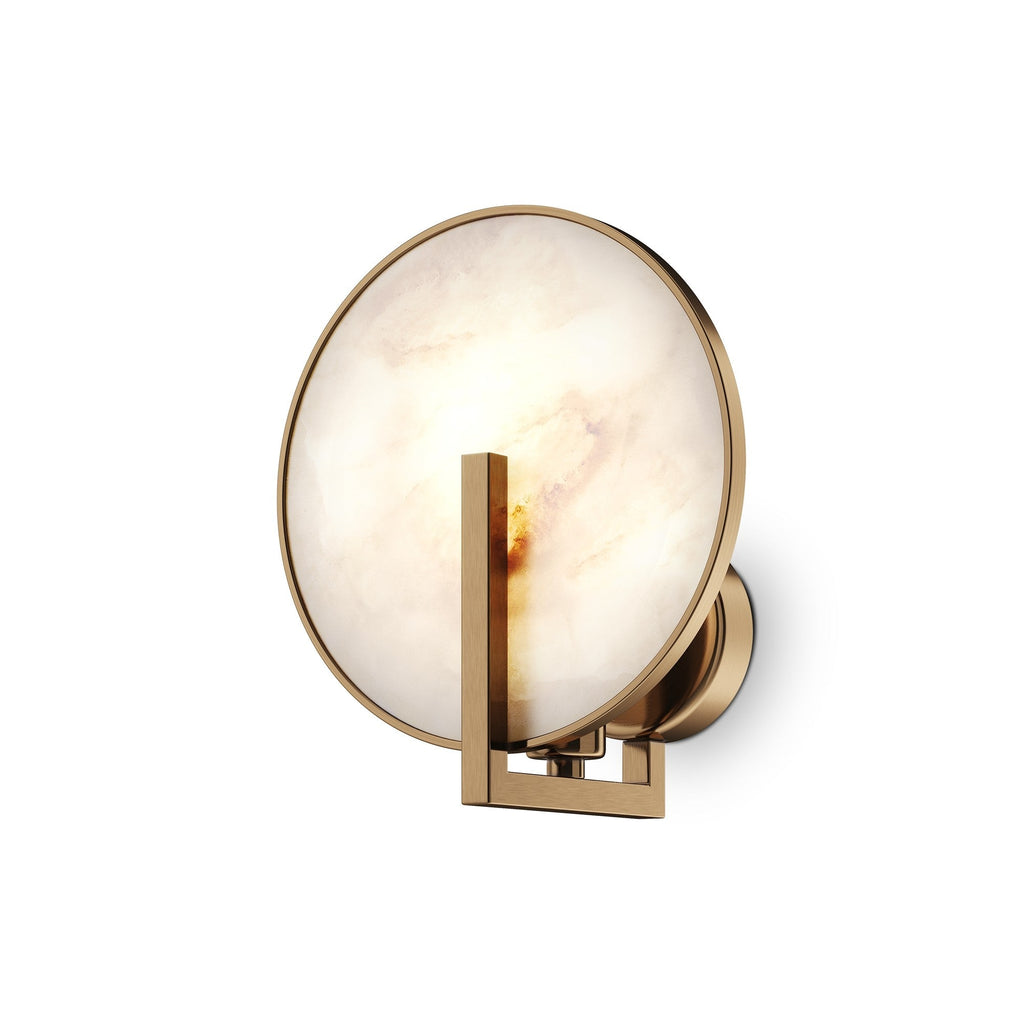
What are the three light-source types?
- Integrated LED. The Elara semi-flush ceiling light uses a built-in 5W LED at 3000K on 120V, and the Aurelian wall light uses a built-in 3W LED at 3000K on 120V. There is no bulb to buy, and the Elara page states the LED is not user-replaceable.
- E14 (small Edison screw). The Marmo wall light takes a single E14 bulb up to 40W. Bulbs are sold separately, and the product FAQ suggests a warm-white LED of 4–6W at 2700K–3000K.
- G9 capsule. The Lyvane pendant uses a single G9 holder inside the globe. Bulbs are sold separately, and SPACE361 recommends a warm-white LED G9 at 2700K–3000K.
Why warm white?
Alabaster has a creamy base tone with grey and beige veining. Warm light at 2700–3000K keeps that tone soft and makes the veining read as depth. Cooler light at 4000K and above often makes stone look flatter and greyer, and it works against the calm mood alabaster is chosen for.
How much wattage and brightness?
The stone diffuses and absorbs part of the light on purpose. A 3–6W LED is enough for gentle ambient light, and a few hundred lumens is typical for that range. Never exceed the maximum wattage on the fitting label, even if the holder could physically take a hotter bulb. LED also runs cooler than halogen or incandescent, which is kinder to the metalwork and the stone.
Can you dim an alabaster light?
Often, but only with the right pairing. SPACE361 product pages ask you to confirm driver and dimmer compatibility before ordering. For E14 and G9 fittings, use a bulb marked dimmable and a dimmer rated for LED loads. For integrated LED models, ask the supplier which driver is fitted.
Check the base and the voltage
Three checks avoid most mistakes:
- Base: E14 and E12 look similar but do not interchange.
- Voltage: G9 bulbs are sold in 120V and 230V versions, so match the one to your supply.
- Size: measure the space inside the shade if you want a smart bulb, because some are longer than standard capsule bulbs.
See Can You Use European Lights in the US? for the full explanation.
Frequently asked questions
What colour temperature is best for alabaster?
Warm white, 2700K–3000K.
Can I fit a higher-wattage bulb than recommended?
No. Stay at or below the maximum wattage on the fitting, and prefer the lower LED wattages SPACE361 suggests.
Can I change the LED in the Elara or Aurelian?
No. Both use integrated LEDs, and the Elara page states that the LED is not user-replaceable.
Why does my alabaster light look dim?
The stone is a translucent diffuser, so it gives a soft glow, not a bright beam. Use it for ambience and add task lighting where you need it.
Related reading
Keep planning
Related buying guides
Alabaster lighting guideAlabaster Wall Lights for Bedrooms: Size, Height and Placement GuideAlabaster wall lights suit bedrooms because the stone spreads warm, low-glare light with no visible bulb. Fit one on each side of the bed with the glowing stone about 120–140 cm (47–55 in) above the floor, choose a 2700–3000K light source, and add a separate reading lamp if you read in bed.Read guide →
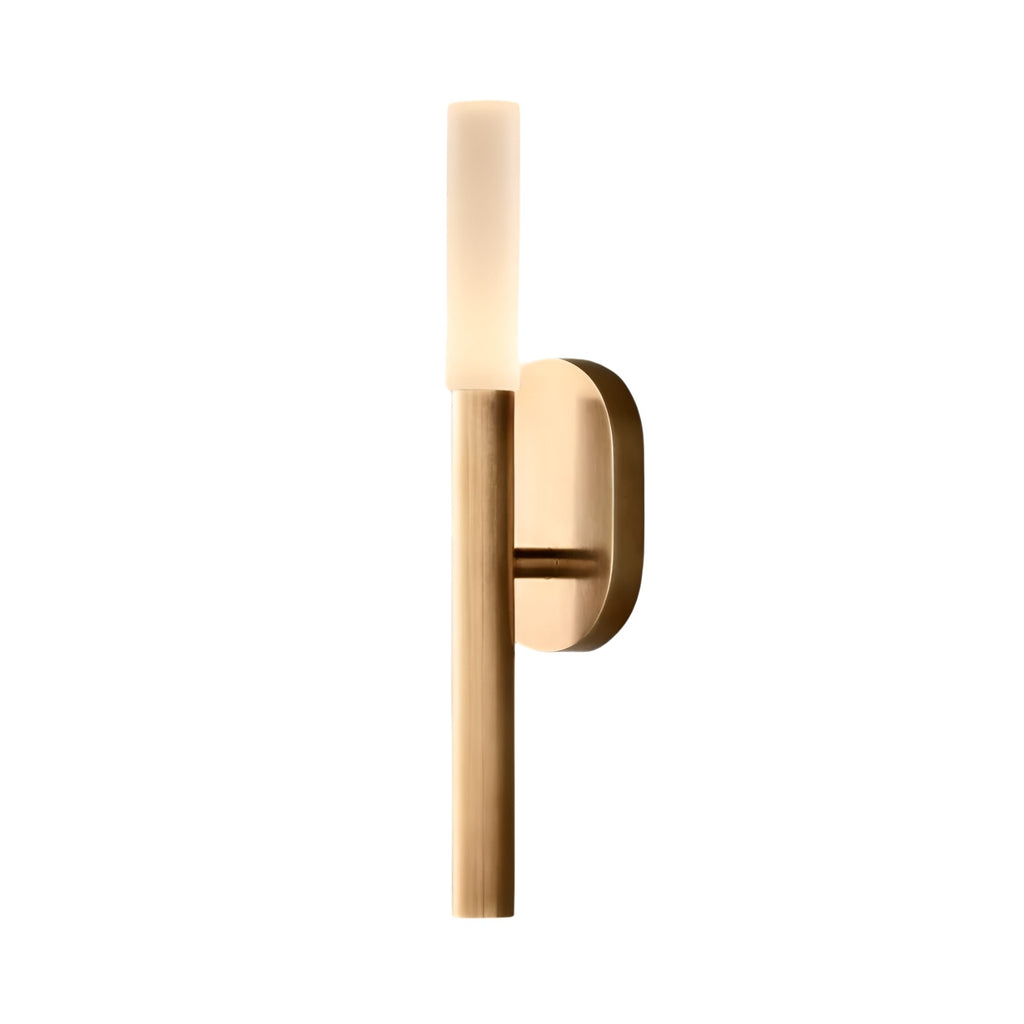 Alabaster lighting guideCan Alabaster Lights Be Used in a Bathroom? IP Ratings ExplainedOnly in the right place. Natural alabaster is porous and softer than marble, and most alabaster fixtures are rated for dry indoor use. Keep them out of showers, baths and splash zones. In a bathroom, use them only outside the zones, or choose a fitting with an explicit IP44 or higher rating for the zone.Read guide →
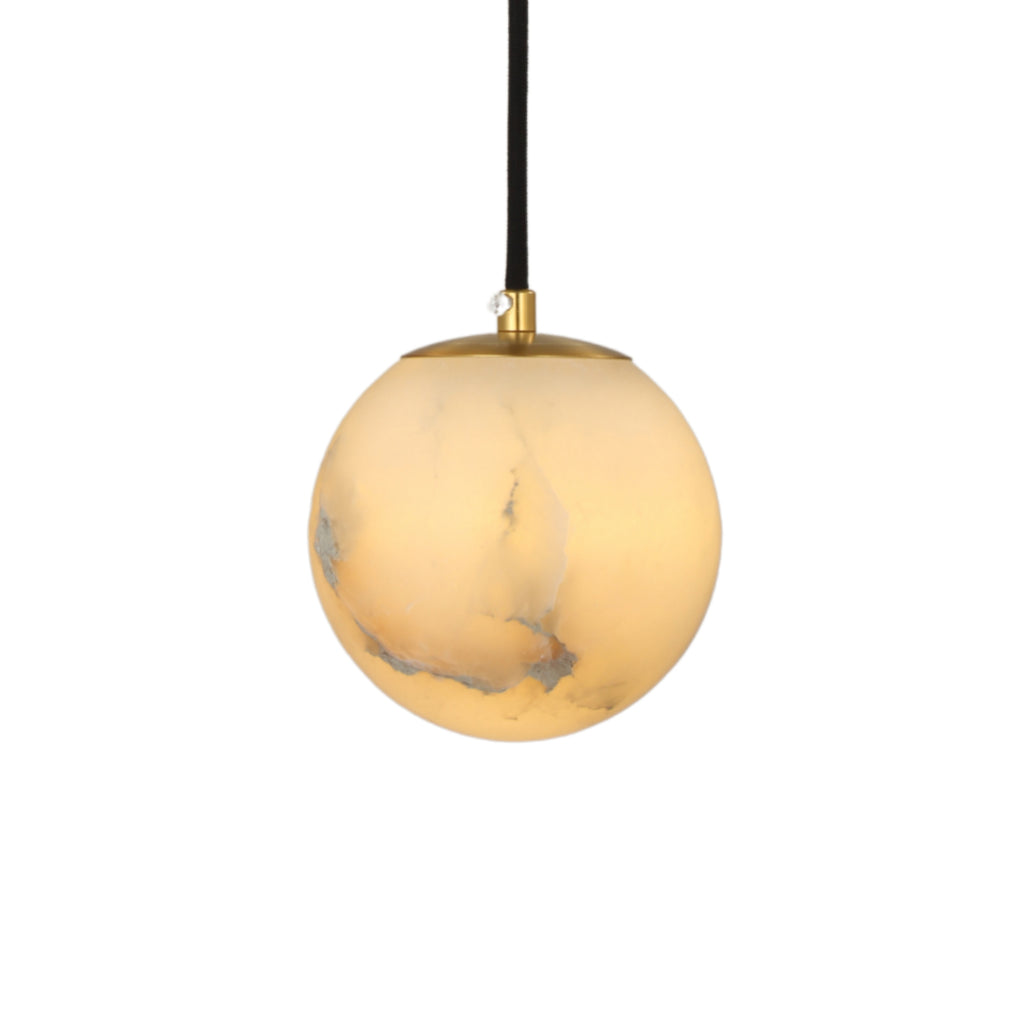 Alabaster lighting guideHow to Hang Small Alabaster Pendants in a Cluster Over a Kitchen IslandFor a kitchen island, hang an odd number of small pendants (3 or 5) at varied drops, with the lowest shade roughly 76–90 cm (30–36 in) above the counter. Space them evenly along the island, keep the group shorter than the island, and give each pendant its own cable so an electrician can set the drops.Read guide →
Alabaster lighting guideAlabaster vs Marble vs Onyx vs Travertine: Which Stone Is Best for Lighting?Alabaster is the softest and most translucent of the four, so it glows evenly when lit. Marble is denser and mostly opaque, onyx is translucent with bolder banding, and travertine is warm, porous and usually opaque. Choose alabaster when you want the stone itself to act as the lampshade.Read guide →